Understanding the Origins and Characteristics of Matcha: Expanding Your Enjoyment
Matcha, with its unique flavors, aromas, and colors, varies significantly depending on its region of origin. The quality of matcha is closely tied to factors such as cultivation environment, soil, and climate, and each region imparts its own distinct characteristics to the taste of matcha. For example, tea leaves grown in regions with abundant sunlight tend to be fragrant and have a strong sweetness, while tea leaves grown in cooler climates offer a mellow and refreshing taste. By understanding these regional differences, you can enhance your appreciation of matcha's depth of flavor and enjoy selecting the perfect matcha for various occasions.
Uji, Kyoto (Tradition and Top-tier Quality)
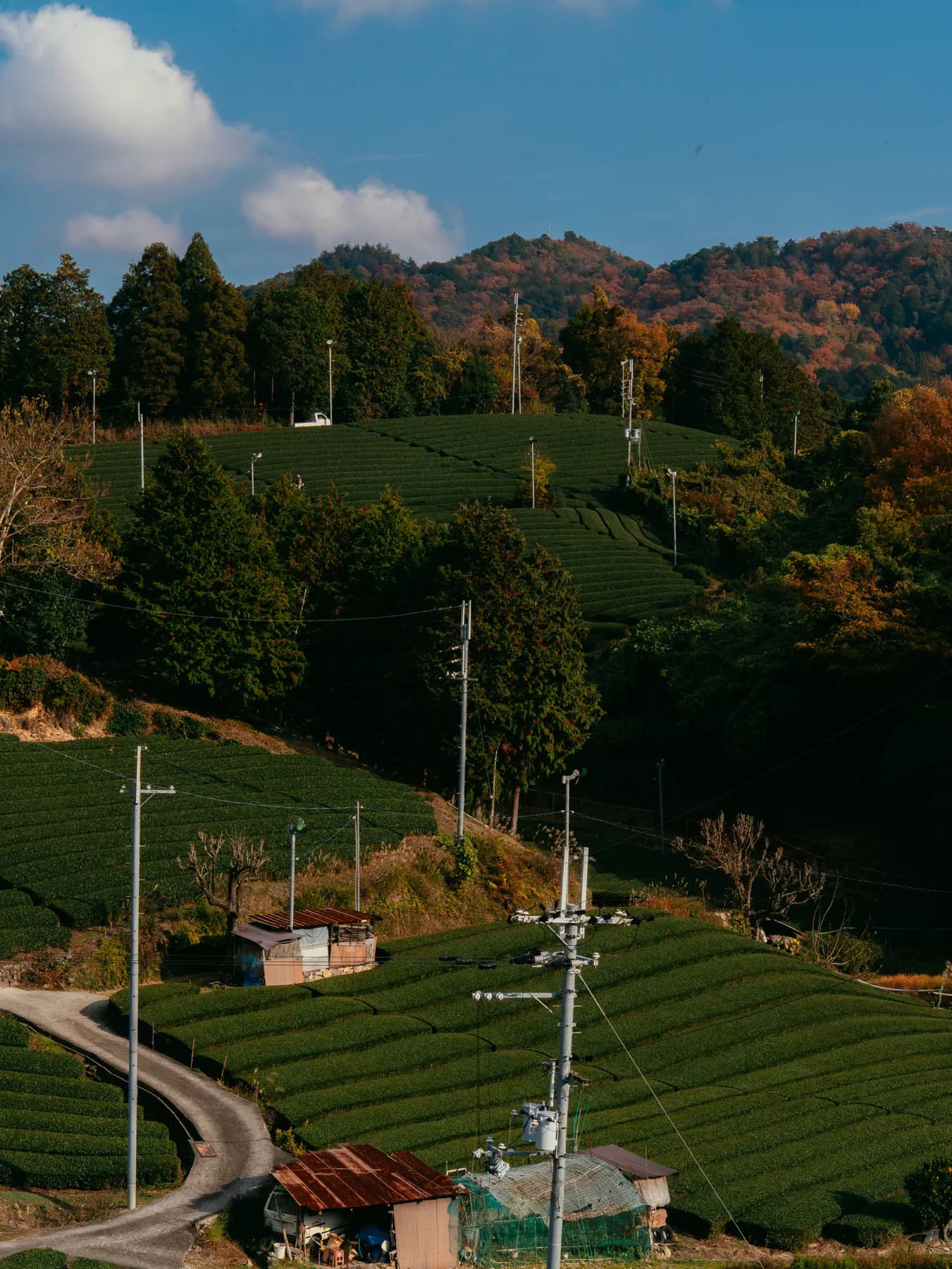
Kyoto's Uji is renowned for its history and soil, making it synonymous with the highest-quality matcha. The cultivation of Uji tea began in the early Kamakura period in the 13th century, when the Zen master Eisai brought tea seeds from China and passed them to the monk Myo-e at Toba's Kōyama-dera temple. These seeds were planted in Uji and surrounding areas, laying the foundation for Uji tea. By the 15th century, Uji tea was highly regarded by the Ashikaga shogunate, earning the title of Japan's finest tea. During the 16th century, the method of "overlaid cultivation" was developed in response to requests from tea masters like Sen no Rikyū. This method, which covered tea fields with reed mats, gave birth to matcha with a bright, intense green color and strong umami. Uji tea is also known for its "mist fragrance," with tea produced in Wazuka, a region known for its fog, being particularly fragrant and flavorful. The mist from the mountains protects the tea leaves from strong sunlight, resulting in a unique aroma and taste. Our own Uji matcha runs from ceremonial blends through single cultivars such as Gokou and Samidori, up to koicha grade.
Yame, Fukuoka (Fragrant and Sweet Matcha)
Yame, located in the mountainous region of southern Fukuoka Prefecture, is known for its cool and humid climate, which is ideal for matcha cultivation. The region employs the "covered cultivation" method, producing matcha with strong sweetness and rich fragrance. Yame matcha is famous for its intense flavor, with a sweet and fragrant profile, making it perfect for tea ceremonies and high-end desserts. Its taste is full-bodied yet has a clean aftertaste. Yame is also Japan's most celebrated gyokuro region, and growers there shade their tea far longer than is usual for matcha — our own Yame matcha — a single-cultivar Yabukita with a nutty, toasted-pistachio aroma that comes from exactly that practice — joins the range shortly.
Iga, Mie (Highland Terroir and Organic Cultivation)
Iga, in the mountains of Mie Prefecture, is one of Japan's least-known matcha origins and one of its most distinctive. The tea grows in the Kobiwako layers — nutrient-rich clay laid down by a prehistoric lake — and the combination of elevation, sharp day-to-night temperature swings, and heavy morning mist slows the plants down. Slow growth concentrates aroma, which is why Iga matcha tends to read as bold and structured rather than delicate. The region is also a stronghold of organic cultivation, which is genuinely scarce at ceremonial grade: organic farming lowers yield, and shade-growing to ceremonial standard narrows the field further. Our own Organic Iga Matcha — a single-cultivar Yabukita, grown, processed into tencha, and stone-milled by one producer — joins the range shortly.
Kagoshima (Top Production Volume, Warm Climate)
Kagoshima Prefecture leads Japan in the production of tencha, the raw material for matcha. Known for its warm climate and abundant sunlight, Kagoshima's volcanic ash-rich soil produces nutrient-dense tea leaves. This environment allows for a steady supply of matcha at relatively affordable prices. The matcha from Kagoshima is characterized by a rich, deep flavor with a strong sweetness, thanks to the ample sunlight and mild climate. This makes Kagoshima matcha popular in cafes and desserts, offering a delightful taste at a more accessible price point.
Nishio, Aichi (A Region with a Long History of Tea Production)
Nishio in Aichi Prefecture is known for its matcha, second in prominence only to Uji. Tea production in Nishio dates back to the Edo period, and the region's warm climate and clay-rich soil are ideal for growing tea. Nishio matcha is recognized for its smooth, balanced flavor with a perfect harmony of sweetness and bitterness. It has a rich, full-bodied flavor while remaining easy to drink, making it a popular choice for daily enjoyment as well as for use in desserts and beverages.
Shizuoka (Large Production but Predominantly Sencha)
Shizuoka Prefecture, home to the largest tea plantations in Japan, is famous primarily for its sencha, though matcha is also produced in smaller quantities. The soil in Shizuoka has excellent drainage, and the water from Mt. Fuji contributes to the unique flavor of the tea. While matcha production is not as large as sencha in Shizuoka, the matcha from this region is known for its light and refreshing flavor, ideal for those who prefer a milder, more delicate taste.
Summary
Matcha's flavor, aroma, and color vary significantly depending on the region in which it is grown. By choosing matcha from different regions according to your preferences, you can broaden your enjoyment of this versatile tea. Understanding the unique characteristics of each region not only enhances your appreciation of matcha but also provides insight into the cultivation methods and environmental factors that influence its flavor. Whether you're enjoying it as a beverage or incorporating it into desserts and café menus, take pleasure in the diverse tastes that matcha offers. You can see how each origin tastes across our range and compare them side by side.
Written by Yuka Higashi · Matcha Buyer & Tea Curator at UnD ·