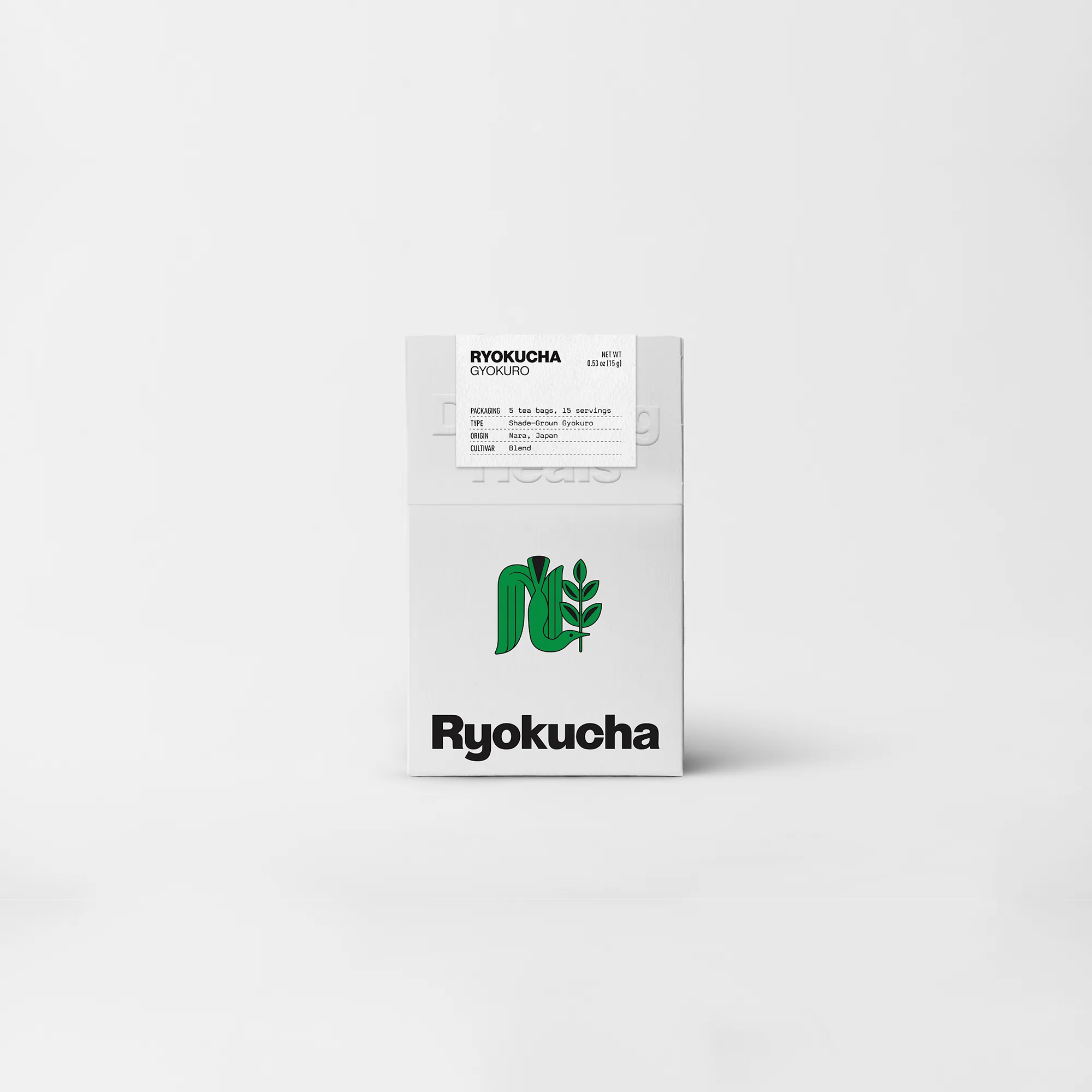
Ryokucha Tea Bags
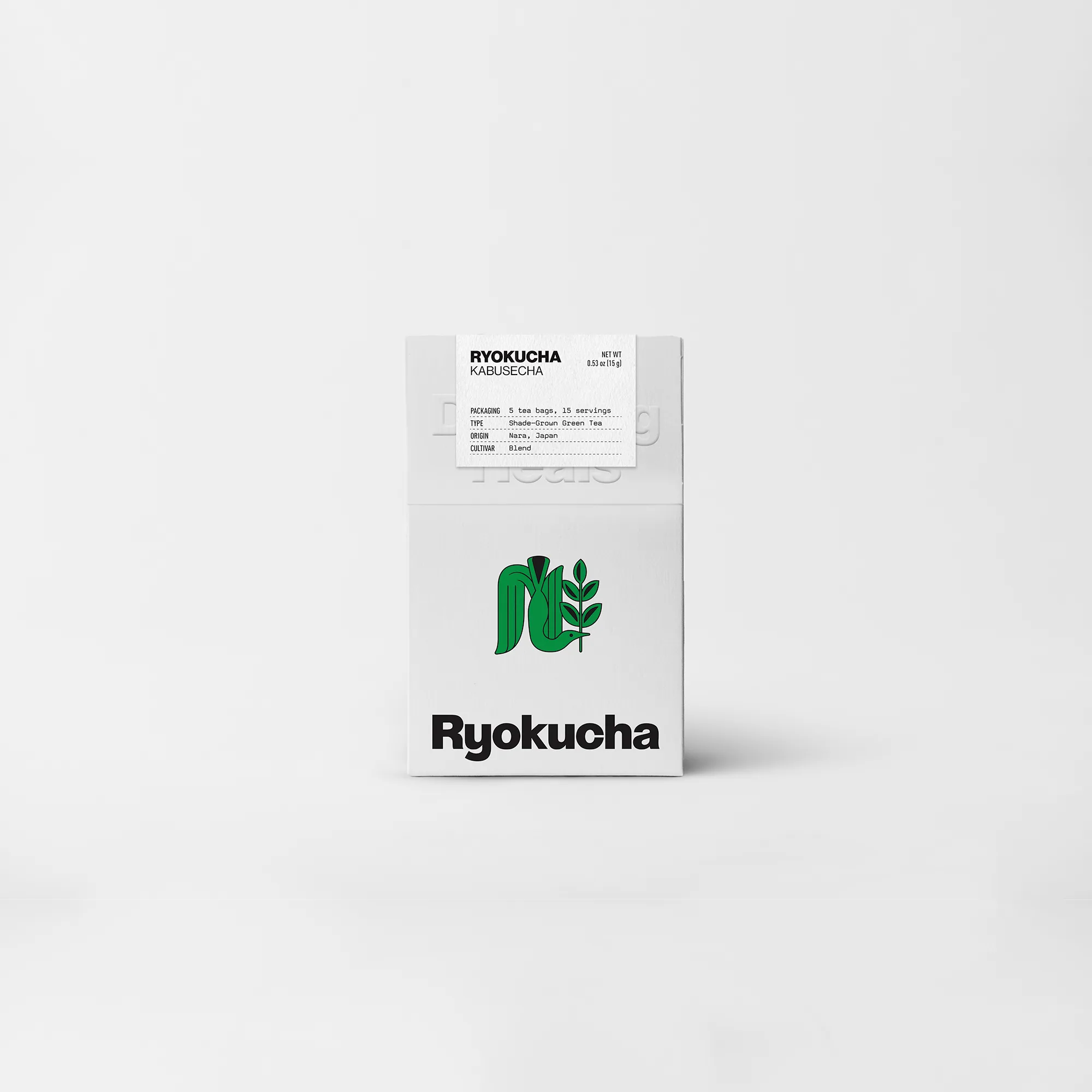
Kabusecha
Customer reviews
0 Reviews
No Customer Reviews yet
Kabusecha from the Yamato Highlands
Shade Before the First Flush
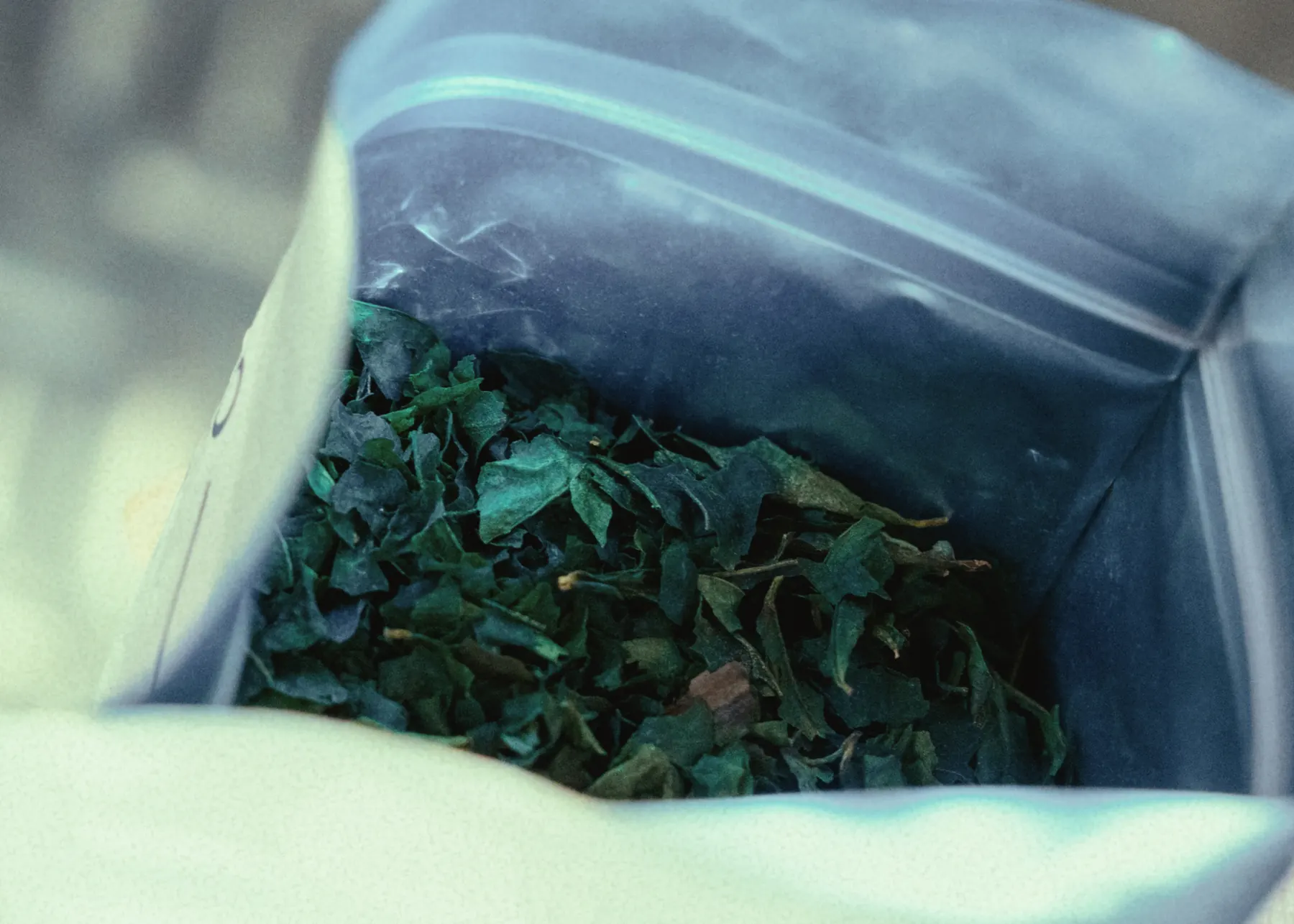
Before harvest, the tea plants are covered to reduce direct sunlight. The leaf retains more of the compounds associated with sweetness and umami, while astringency becomes less pronounced.
This Kabusecha is made from first-flush Yabukita grown on the Yamato Plateau in Nara. Light steaming keeps the finished tea fresh and clear. The result sits between open-grown sencha and the deeper shaded character of gyokuro.
Yamato Tea Since 806
The history of Yamato tea is traditionally traced to 806, when the monk Kukai returned from Tang China with tea seeds and planted them at Butsuryuji Temple in present-day Uda. Tea cultivation later spread across the highlands of eastern Nara.
Nara also produced Murata Juko, a formative figure in the development of wabi-cha. The connection places tea within the prefecture's long temple and cultural history. This Kabusecha carries that regional name through a specific material: first-flush Yabukita, shaded and lightly steamed.
Drinking
Heals
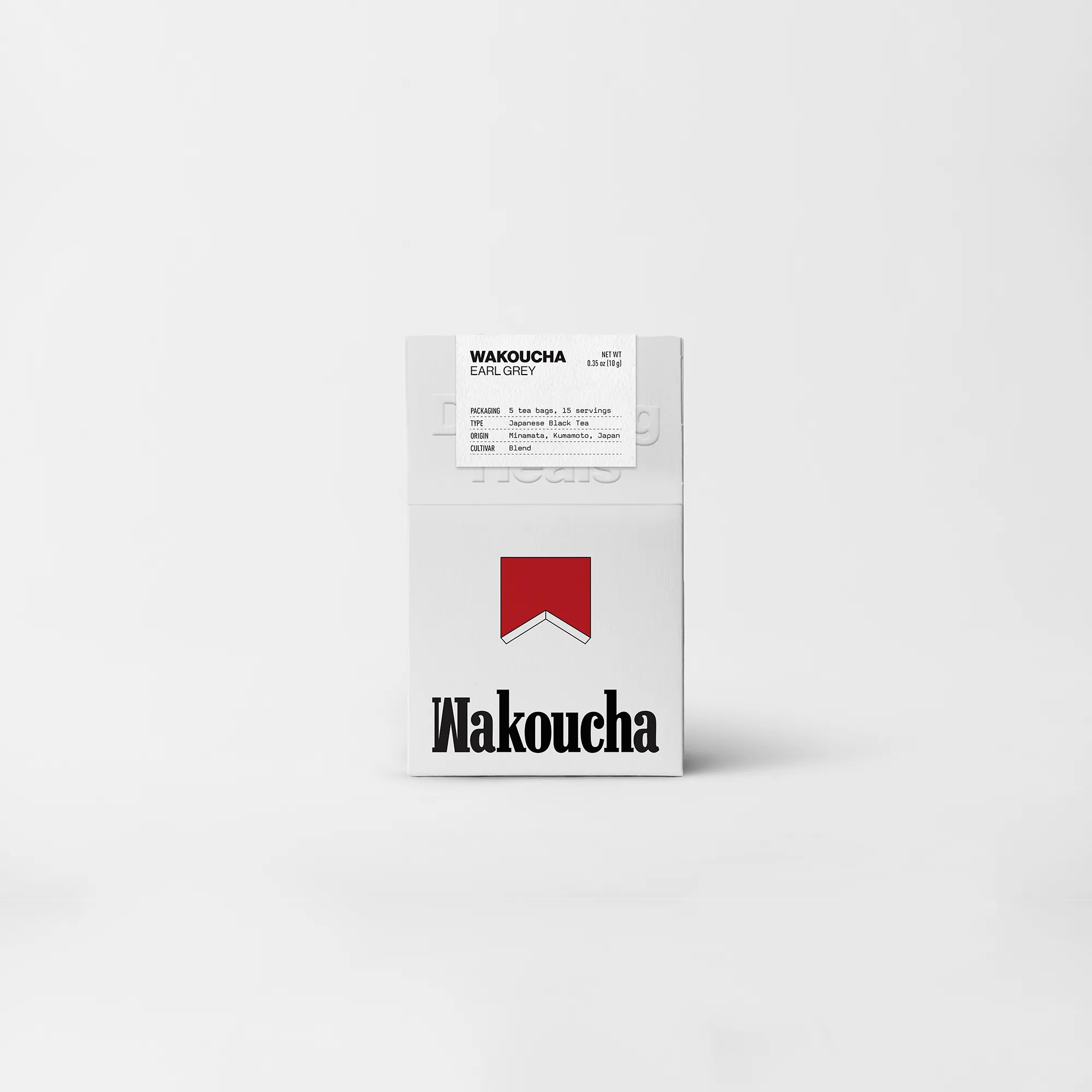
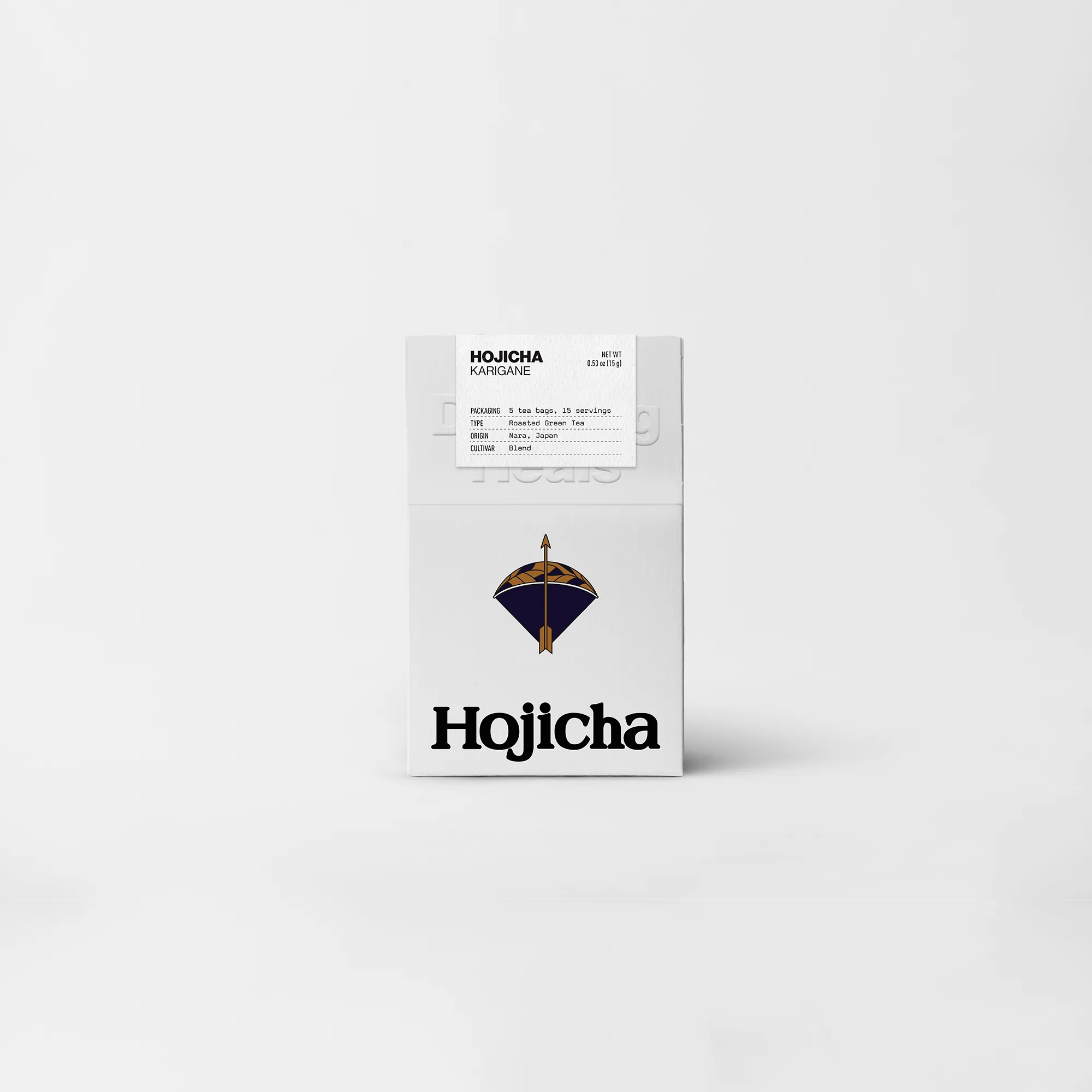
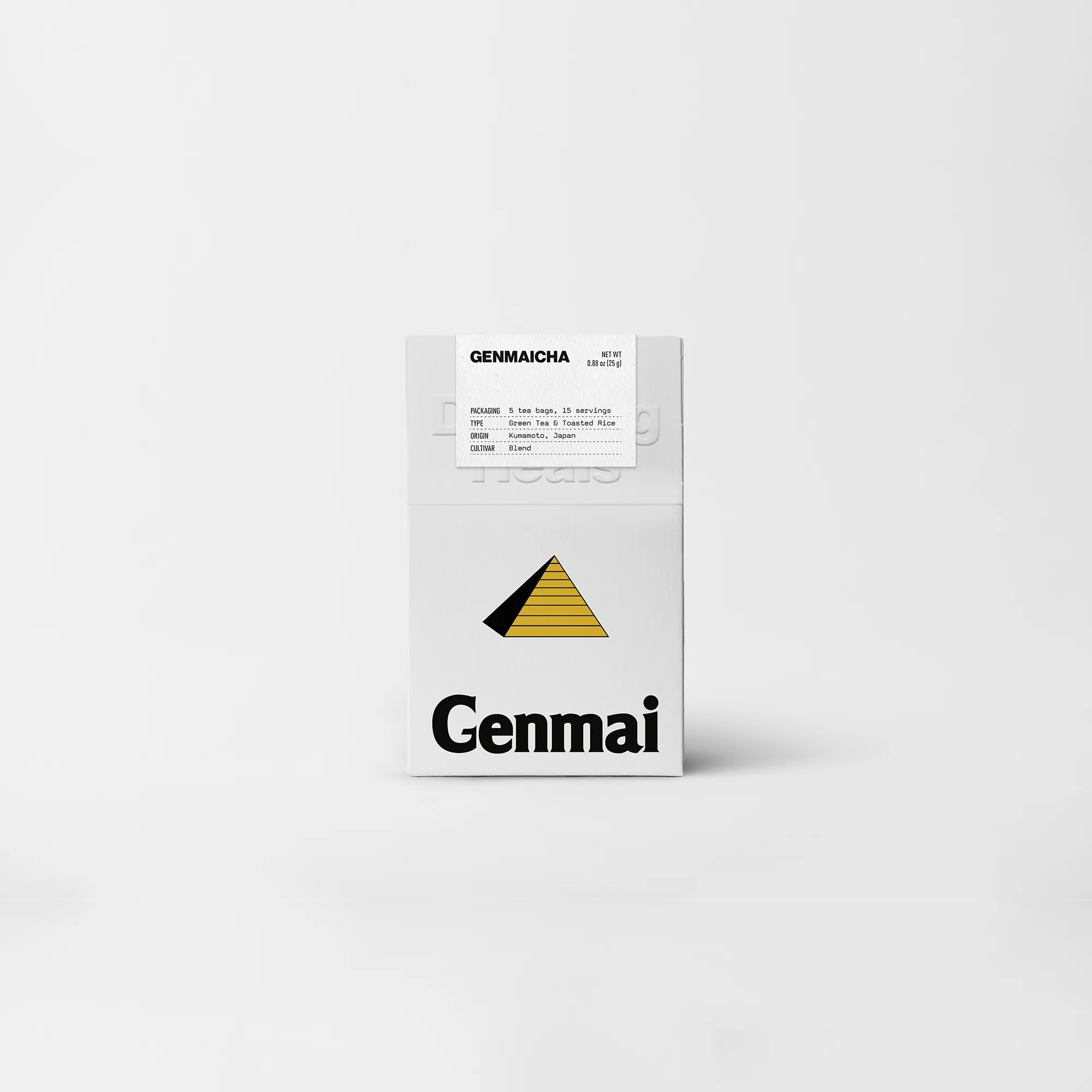
We present Japanese tea and matcha as part of the Drinking Heals collection. In Japan, IPPUKU describes a brief pause—sometimes with tea, sometimes with a cigarette. Drinking Heals reimagines IPPUKU through Japanese tea. Inspired by the familiar warning “ Smoking Kills ” , it proposes another message: “ Drinking Heals .” A moment once associated with tobacco becomes a quiet ritual of water, tea, and time.
Learn MoreDrinking HealsRelated Products
More matcha and Japanese tea selected for different preparations and flavor profiles.